











Training Center in The Republic of Moldova
Contacts
- National Agency for Public Health, Republic of Moldova, Chisinau municipality, MD-2028, Gh. Asachi str. 67a
- By email: roman.coretchi@ansp.gov.md
- National Center for Pre-hospital Emergency Medical Assistance, Republic of Moldova, Chisinau municipality, MD-2025, Str. Constantin Vîrnav 16.
- By email: leontiimacarov@gmail.com
Downloadable materials
 Prezentări CBRN Română
Recent News
Moldova Ministry of Health Briefed on Project 88 Results and Sustainability Priorities
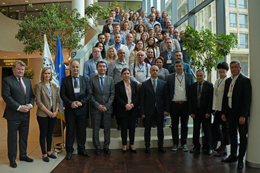
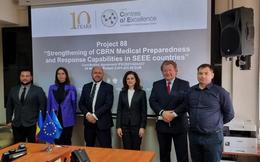
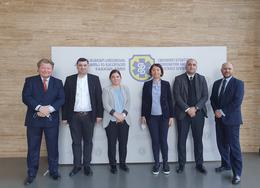
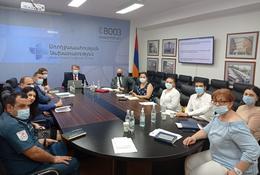
On 26 February 2026 in Chisinau, the Science and Technology Centre in Ukraine (STCU), together with Moldova’s National Agency for Public Health (NAPH), hosted a ministerial briefing under EU CBRN CoE Project 88, “Strengthening of CBRN Medical Preparedness and Response Capabilities in SEEE countries.” The purpose of the meeting was to brief the Ministry of Health of the Republic of Moldova on the results achieved under Project 88. The Ministry of Health is the beneficiary of the project in Moldova.
The briefing was led by Dr. Angela Paraschiv, State Secretary of the Ministry of Health, who headed the Ministry’s team and was joined by representatives of the National Center for Pre-Hospital Emergency Medical Assistance (NCPHEMA). Participants also included Moldova’s CBRN focal point from the Ministry of Foreign Affairs, and senior leadership from NAPH and NCPHEMA. The meeting provided an opportunity to review progress, identify remaining priorities, and agree on practical steps to ensure that national capacity built through Project 88 is sustained after the project closes.
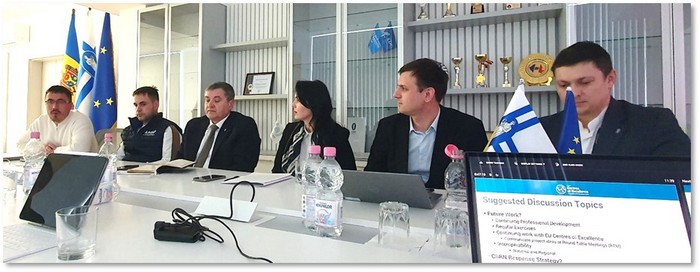
Planning for sustainability after project closure
A central focus of the briefing was Moldova’s plan to maintain and expand CBRN emergency medicine and public health response capabilities. Dr. Vadim Rata presented proposed measures to embed the project’s achievements into national systems. These included conducting periodic national health system response exercises, bringing together primary healthcare services, NCPHEMA, hospitals and NAPH, under the coordination of the Ministry of Health. The plan also highlighted the need to allocate budgets for consumables to enable regular workshops, strengthen NAPH storage capacity for training equipment, and further develop Rapid Response Teams (RRT), including hospital-based teams, to reflect the risks present in different territories.
Participants also discussed the value of joint exercises with other national authorities such as emergency services, border police and customs. Such cooperation would help maintain operational readiness, strengthen interagency coordination, and support the continued development of Moldova’s RRT capabilities.
From project activities to national policy and practice
The meeting reviewed ongoing activities and potential next steps to improve sustainability and institutionalisation. NAPH reported that it is drafting a National Plan for the response to CBRN events, including an overarching response strategy, a threat management system, triage arrangements, in-hospital countermeasures, and mechanisms for cooperation with EU crisis structures to share relevant countermeasures. Digitalisation was also identified as a priority, including improvements to alerting and notification systems and the possible establishment of a national collaboration centre for coordinated action during emergencies.
Capacity-building through education and training was another key theme. Plans include revising the medical university curriculum to integrate the Project 88 CBRN Emergency Medicine training curriculum for future specialists and continuing professional development. NAPH also intends to approve a practical CBRN curriculum tailored for public health specialists and develop CBRN courses on an electronic learning platform to help maintain the readiness of current Rapid Response Teams.
Looking ahead: partnerships and regional contribution
The briefing also explored broader initiatives that could build on Project 88 achievements. These included efforts to work with the World Health Organization toward becoming a collaboration centre for CBRN emergency medicine, continued cooperation with Ukrainian colleagues to strengthen capabilities, and a study on public health crisis communication. Participants further considered Moldova’s potential role in hosting regional training courses in CBRN emergency medicine to support knowledge-sharing and preparedness across Southeast and Eastern Europe.
Project background
EU CBRN CoE Project 88 supports partner countries in strengthening medical preparedness, response coordination, and sustainable training capacity for CBRN incidents through national-level training and institutional cooperation. In Moldova, the Ministry of Health is the project beneficiary, with NAPH and national emergency medical structures playing key roles in implementing and sustaining project results.
 Moldova Ministry of Health Briefed on Project 88 Results and Sustainability Priorities
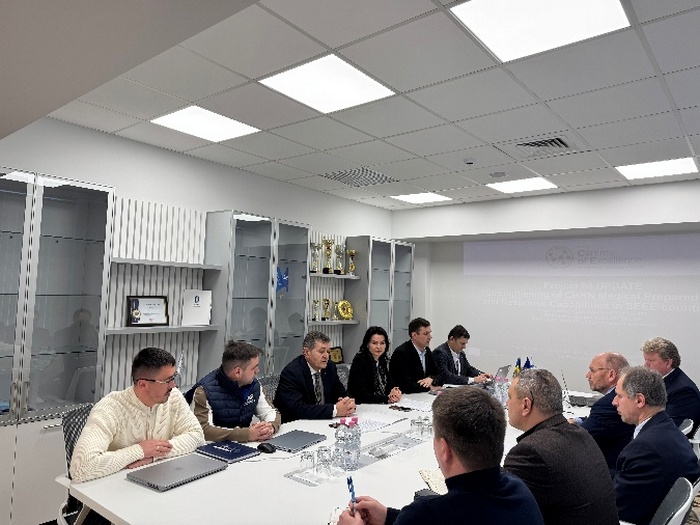 Moldova Ministry of Health Briefed on Project 88 Results and Sustainability Priorities
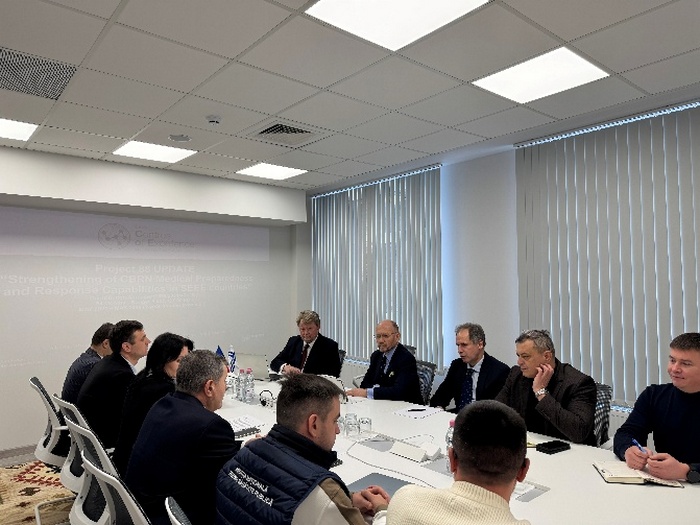 Moldova Ministry of Health Briefed on Project 88 Results and Sustainability Priorities
Moldova Advances National CBRN Preparedness Through a Series of Strategic Exercises
Chișinău, Republic of Moldova, October 2025
The Republic of Moldova has completed a coordinated series of national CBRN (Chemical, Biological, Radiological, and Nuclear) emergency medicine exercises designed to strengthen interagency cooperation, improve hospital preparedness, and enhance national response mechanisms. The events were organized under the EU CBRN Centres of Excellence Project 88, “Strengthening of CBRN Medical Preparedness and Response Capabilities in South East and Eastern European Countries”, funded by the European Union’s Foreign Policy Instrument and implemented by the Science and Technology Center in Ukraine (STCU) in partnership with Moldovan authorities.
- The Moldovan program consisted of three major activities conducted in 2025:
- The National Table-Top Exercise (NTTX) on chemical incident preparedness, held on 13 October 2025 and hosted by the National Agency for Public Health (NAPH)
- The Third National Field Training Exercise (FTX), conducted on 15–17 October 2025, simulated a large-scale hazardous materials incident
- The Final Field Training Exercise (FTX), organized on 21–23 October 2025, which consolidated earlier lessons and demonstrated full-scale interinstitutional cooperation
Together, these activities formed a progressive learning cycle, moving from theoretical scenario testing to practical emergency response. This approach aligns with the EU’s regional objective of enabling partner countries to independently plan, conduct, and evaluate CBRN medical preparedness exercises.
Table-Top Exercise: Testing Coordination and Decision-Making
The NTTX, held at the National Agency for Public Health in Chișinău, simulated the discovery of forgotten, corroded chemical containers in a hospital basement. Thirty-two participants, representing the Ministry of Health, the General Inspectorate for Emergency Situations (GIES), the Institute of Emergency Medicine, the Environmental Agency, and several hospitals, worked through evolving scenarios to test risk assessment, communication, and patient management.
The exercise revealed several challenges, including the absence of standardized hospital protocols, limited awareness of evacuation procedures, and insufficient personal protective equipment (PPE). However, it also confirmed a strong level of intersectoral commitment. Participants emphasized the need for internal contingency plans, updated legislation, and a permanent training mechanism for hospital rapid-response teams.
Feedback scores were overwhelmingly positive, averaging above 9 out of 10 across clarity, realism, and interagency communication. The event also resulted in concrete recommendations, including the development of interinstitutional Memoranda of Cooperation between NAPH, GIES, and the Environmental Agency, as well as the operationalization of a 24/7 Toxicological Information Centre.
Field Training Exercises: From Plans to Practice
Following the success of the NTTX, Moldovan emergency services and medical institutions advanced to two full-scale Field Training Exercises. The third FTX, conducted in mid-October 2025, introduced practical response elements through a complex scenario involving hazardous materials release. It focused on on-site triage, decontamination, evacuation logistics, and communication between field responders and hospitals.
The final FTX, held the following week, expanded the scope to involve multiple agencies, including fire and rescue services, ambulance teams, civil protection units, hospital emergency departments, and environmental authorities. The scenario, a road traffic accident involving hazardous materials and multiple casualties, tested the country’s entire CBRN response chain from the scene of the incident to hospital treatment and public communication.
The exercise demonstrated clear progress since the initial tabletop event. Response times improved, command and communication channels were streamlined, healthcare facilities effectively activated CBRN response plans, and coordination between emergency and environmental agencies was significantly enhanced.
Observers from the EU CBRN Centres of Excellence Initiative and the STCU commended the professionalism and growing self-reliance of Moldovan teams, noting that national trainers had successfully taken the lead in planning and execution.
Building Sustainability Through National Expertise
A key achievement across all three exercises was the consolidation of Moldova’s national cadre of CBRN Master Trainers, who designed scenarios, facilitated sessions, and conducted evaluations with minimal external support. Their active role underscores Moldova’s transition from beneficiary to self-sufficient implementer within the regional CBRN network.
Strengthening National Resilience
The series of exercises yielded tangible institutional benefits, including updated hospital emergency plans, clearer interagency procedures, enhanced occupational safety training, and the identification of key equipment and PPE needs. More importantly, they strengthened trust and collaboration among the health, environment, and civil protection sectors.
Through the continued support of EU Project 88, Moldova is establishing a sustainable mechanism for CBRN medical training, ensuring that emergency responders and healthcare professionals are equipped to manage future incidents effectively and collaboratively.
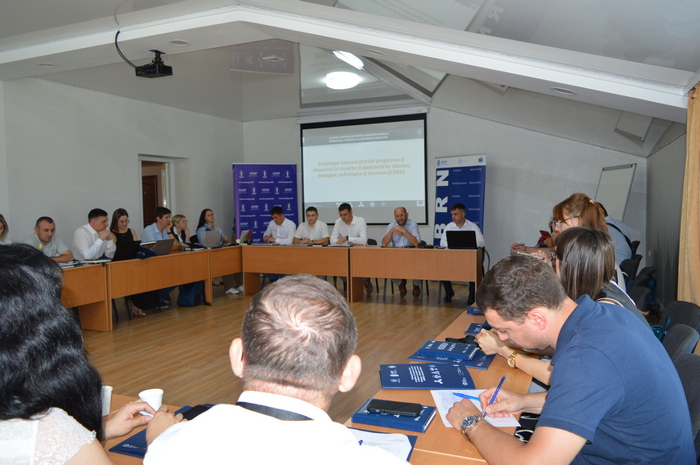 Third National CBRN Emergency Medicine Training in Moldova
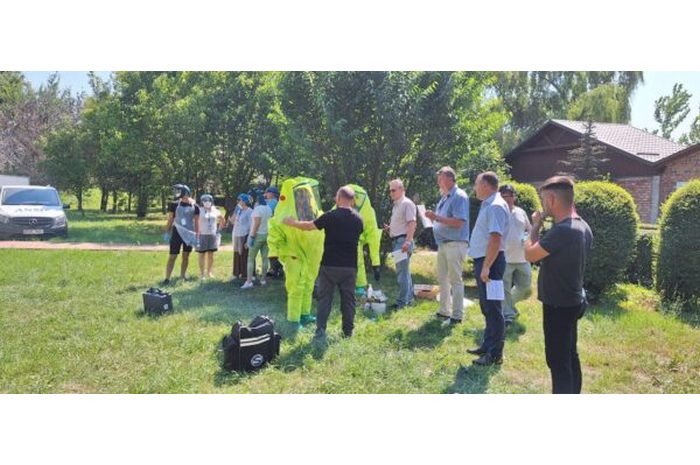 Third National CBRN Emergency Medicine Training in Moldova
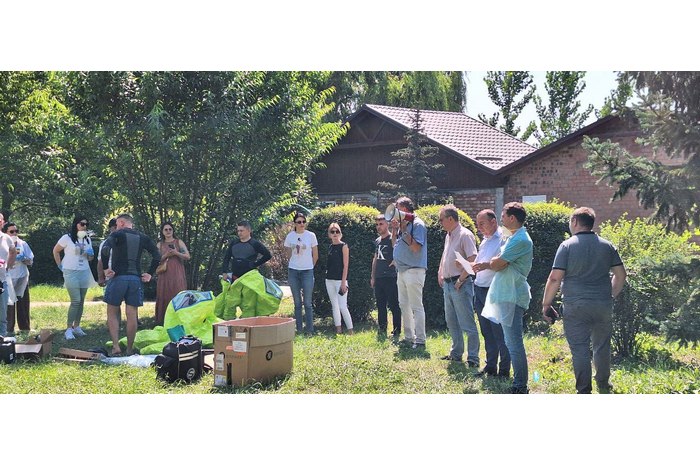 Third National CBRN Emergency Medicine Training in Moldova
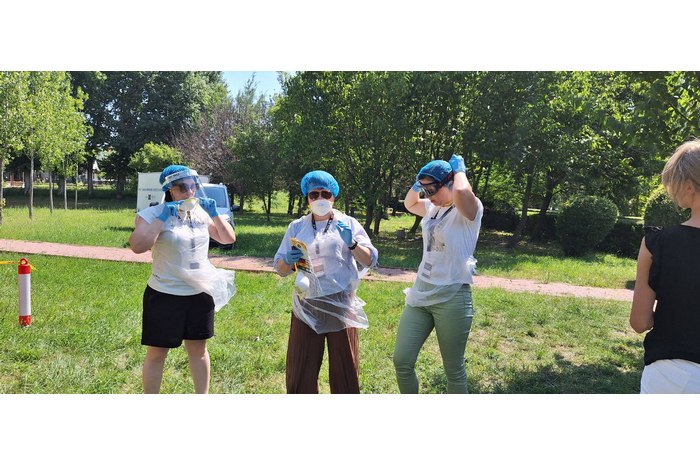 Third National CBRN Emergency Medicine Training in Moldova
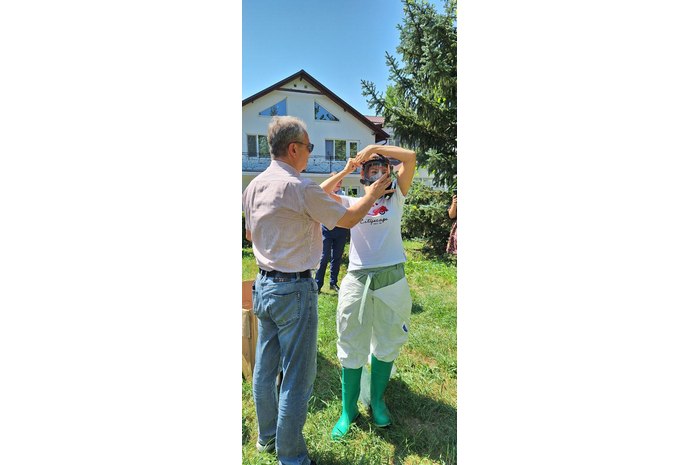 Third National CBRN Emergency Medicine Training in Moldova
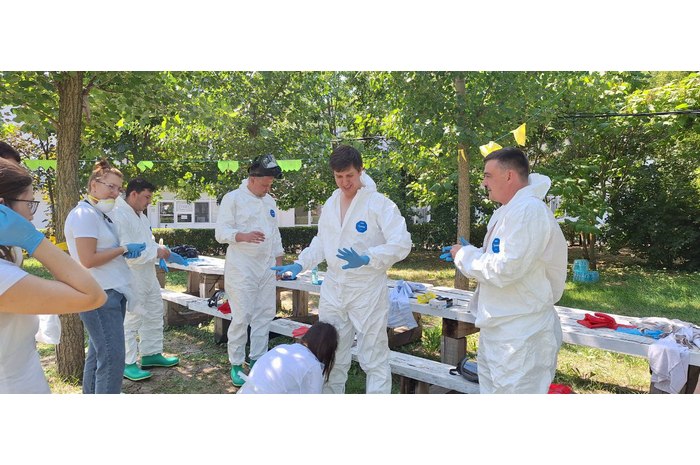 Third National CBRN Emergency Medicine Training in Moldova
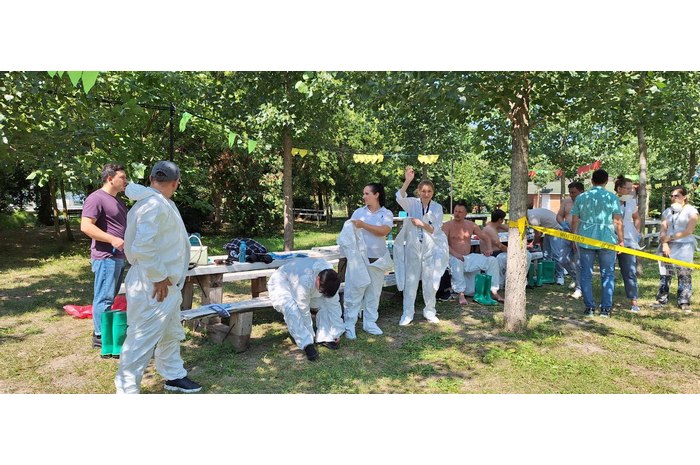 Third National CBRN Emergency Medicine Training in Moldova
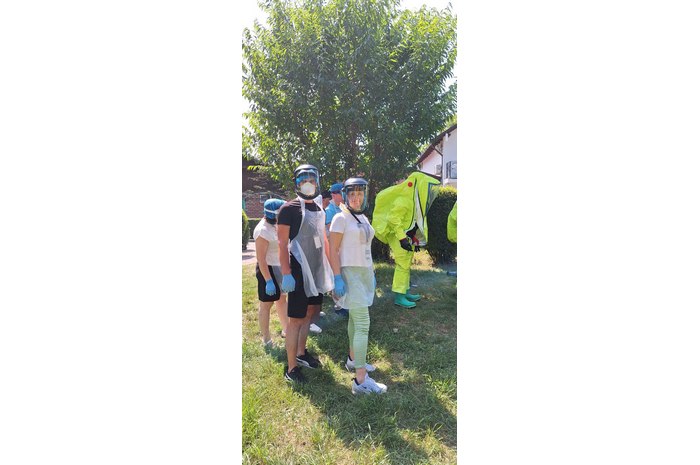 Third National CBRN Emergency Medicine Training in Moldova
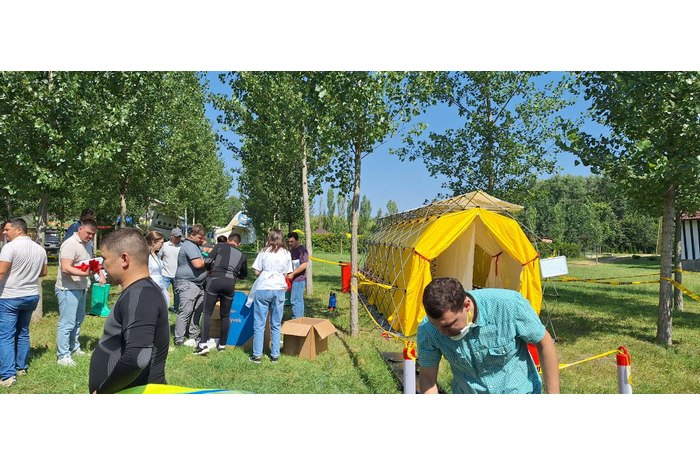 Third National CBRN Emergency Medicine Training in Moldova
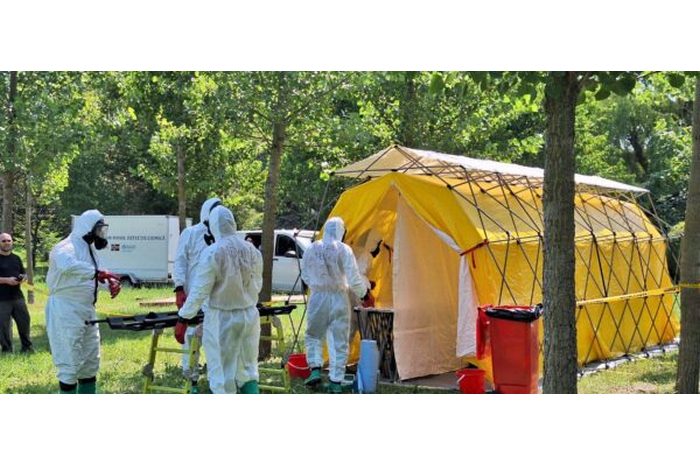 Third National CBRN Emergency Medicine Training in Moldova
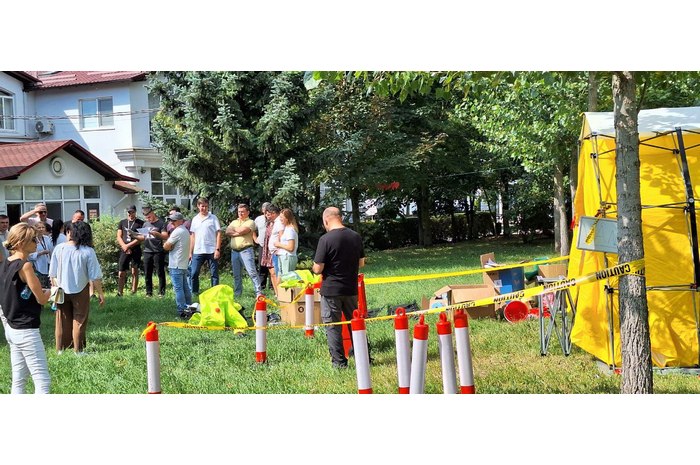 Third National CBRN Emergency Medicine Training in Moldova
Successful Completion of the Second National CBRN Emergency Medicine Training in Moldova
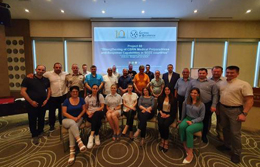
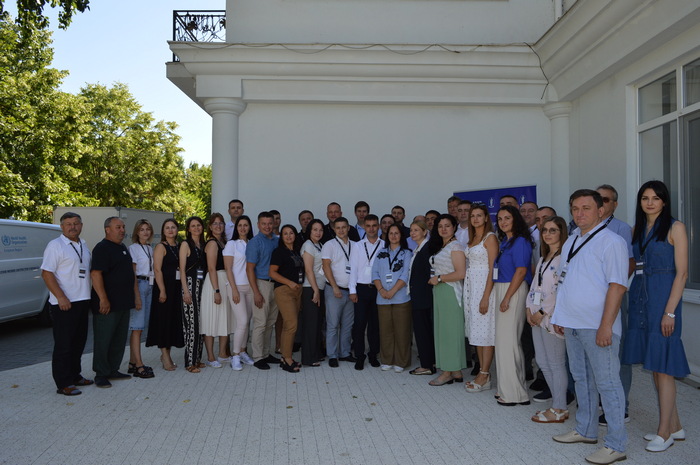
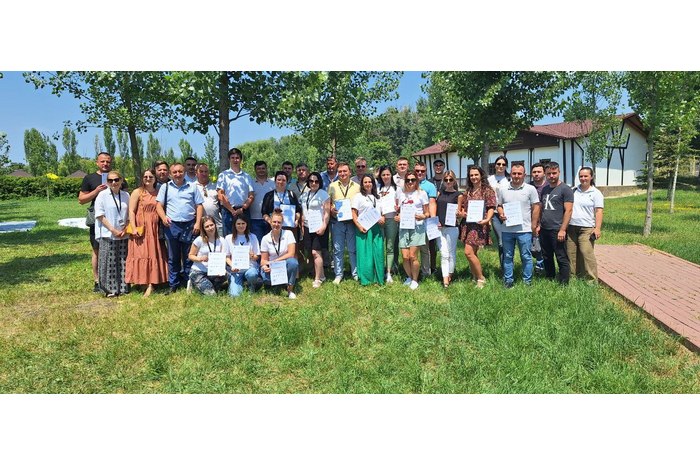
From July 8 to 10, 2024, the Science and Technology Centre in Ukraine (STCU), in collaboration with the National Agency for Public Health (NAPH) of the Republic of Moldova, successfully conducted the second National CBRN Emergency Medicine Training. This significant event brought together over 40 experts from various institutions, including the Ministry of Health, NAPH, Public Medical-Sanitary Institution National Center for Prehospital Emergency Medical Assistance (PMSI NCPMA), Public Medical-Sanitary Institution "Timofei Moșneaga" Republican Clinical Hospital (PMSI RCH), Public Medical-Sanitary Institution Institute of Emergency Medicine (PMSI IEM), and the "Nicolae Testemitanu" State University of Medicine and Pharmacy (SUMP).
The workshop featured a comprehensive series of interactive theoretical and practical sessions addressing CBRN medical threats and public health emergencies. Participants enhanced their theoretical understanding through tabletop exercises designed to simulate the medical system's response to a chemical accident. These exercises focused on key areas such as decision-making, information collection and analysis, preparation, and response.
Veaceslav Guțu, Deputy Director of NAPH, highlighted the event's importance in facilitating the exchange of knowledge, experiences, and best practices in CBRN emergency preparedness, response, and management. By integrating theoretical knowledge with practical skills, NAPH aims to establish a resilient and coordinated medical response system for CBRN emergencies in the Republic of Moldova.
The workshop culminated in a large-scale field exercise simulating a chemical accident at an industrial enterprise producing hazardous chemicals. This exercise aimed to hone practical response skills to CBRN threats and public health emergencies, focusing on medical triage, emergency medical assistance, victim evacuation, laboratory investigations, and public health measures. The simulation provided a realistic scenario to test and develop participants` capabilities.
Participants demonstrated active engagement and were strongly committed to ongoing training to improve their preparedness and response to CBRN emergencies. The initiative aimed to strengthen the preparedness of the medical system and specialists involved in responding to public health emergencies of CBRN etiology. This endeavor was supported by the EU CBRN Centers of Excellence Program under Project 88, "Strengthening CBRN Medical Preparedness and Response Capacities in Southeastern and Eastern European Countries."
Second National CBRN Emergency Medicine Training in Moldova
Second National CBRN Emergency Medicine Training in Moldova
Second National CBRN Emergency Medicine Training in Moldova
Second National CBRN Emergency Medicine Training in Moldova
Second National CBRN Emergency Medicine Training in Moldova
Second National CBRN Emergency Medicine Training in Moldova
Second National CBRN Emergency Medicine Training in Moldova
Second National CBRN Emergency Medicine Training in Moldova
Second National CBRN Emergency Medicine Training in Moldova
Second National CBRN Emergency Medicine Training in Moldova
Second National CBRN Emergency Medicine Training in Moldova
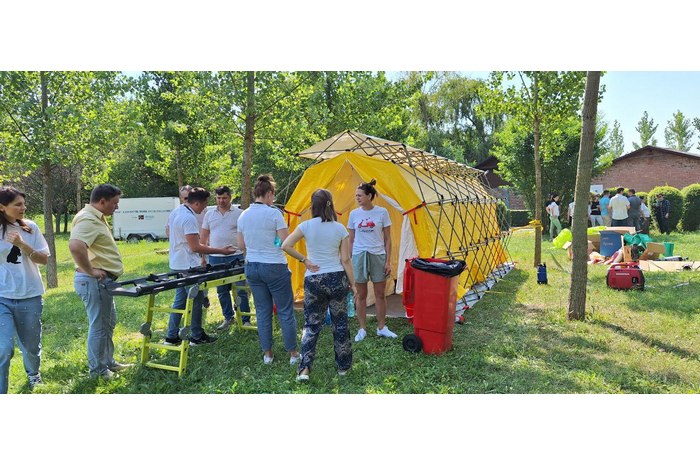 Second National CBRN Emergency Medicine Training in Moldova
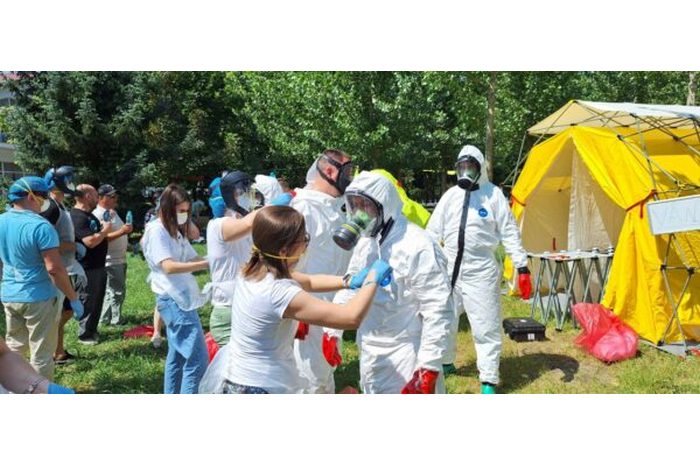 Second National CBRN Emergency Medicine Training in Moldova
 Second National CBRN Emergency Medicine Training in Moldova
 Second National CBRN Emergency Medicine Training in Moldova
Successful Completion of the First National CBRN Emergency Medicine Training in Moldova
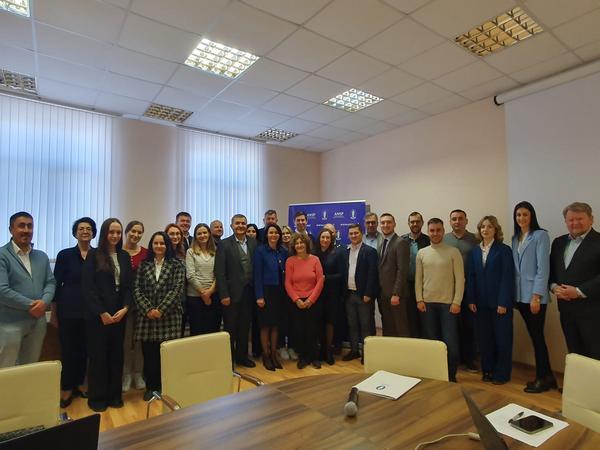
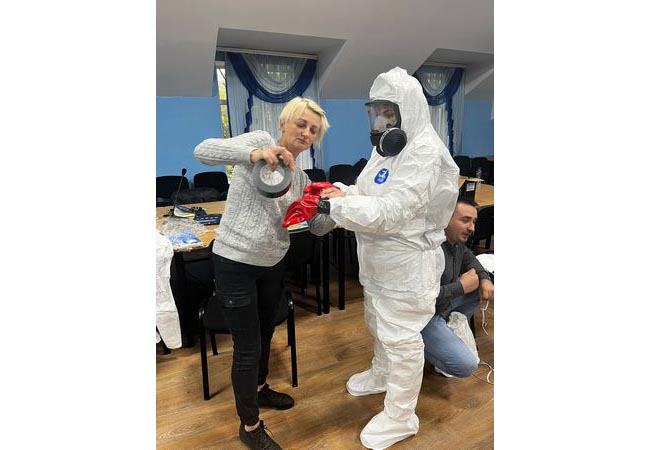
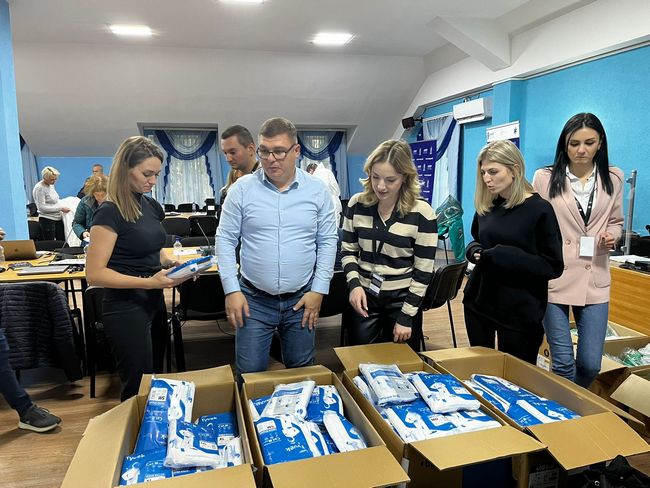
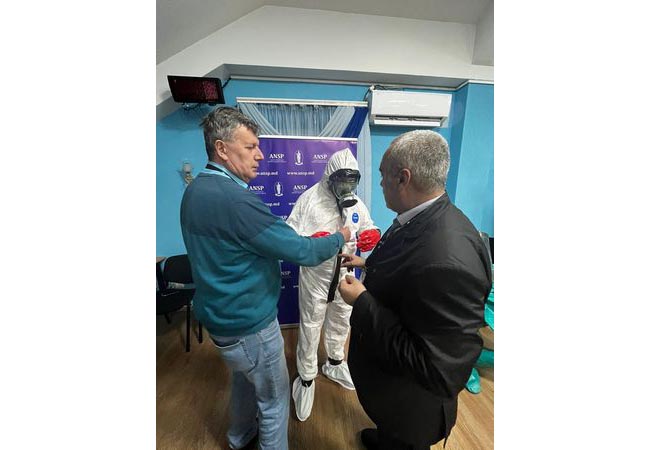
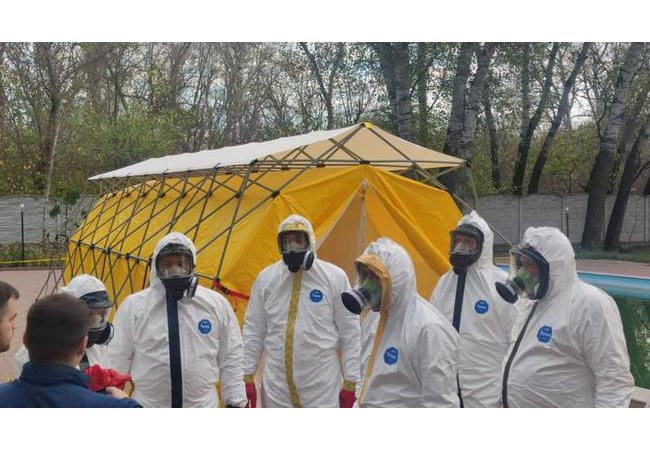
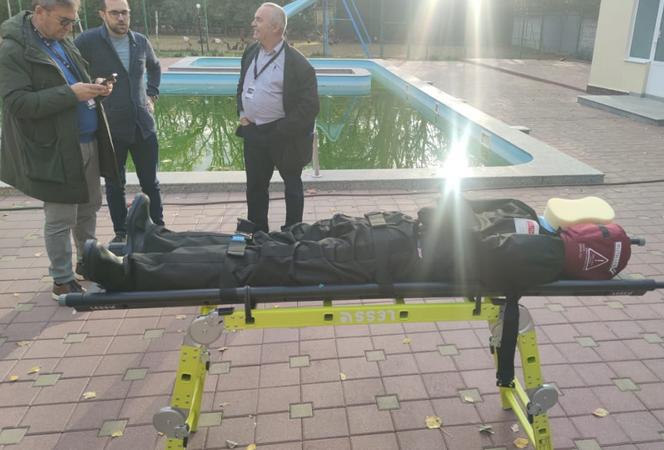
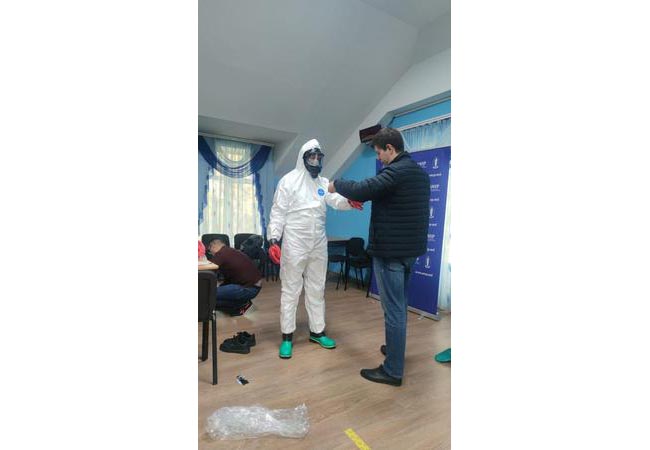
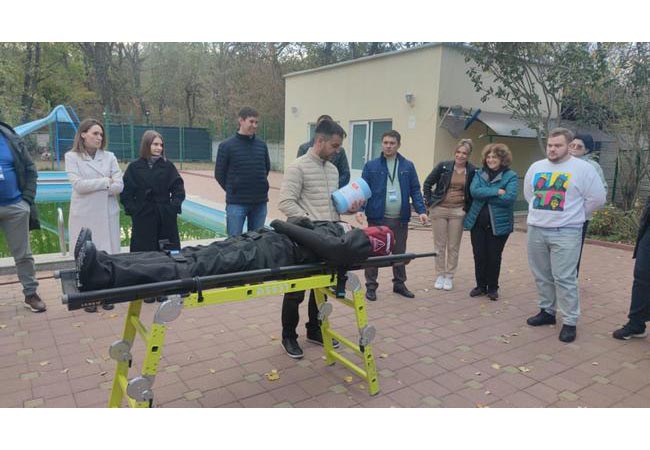
The Science and Technology Centre in Ukraine (STCU), in partnership with the National Agency for Public Health of the Republic of Moldova and the National Center for Pre-hospital Emergency Medical Assistance of the Republic of Moldova, is delighted to announce the successful conclusion of the National CBRN Emergency Medicine Training. This training, held from November 8 to November 10, 2023, in Chisinau, Moldova, was made possible through the generous support of the European Commission's Foreign Policy Instrument, underscoring their dedication to bolstering preparedness and response capabilities in the region.
The National CBRN Emergency Medicine Training was a comprehensive initiative designed to equip key personnel with the essential skills and knowledge required to respond effectively to chemical, biological, radiological, and nuclear (CBRN) emergencies. This intensive training program was tailored to several key target groups:
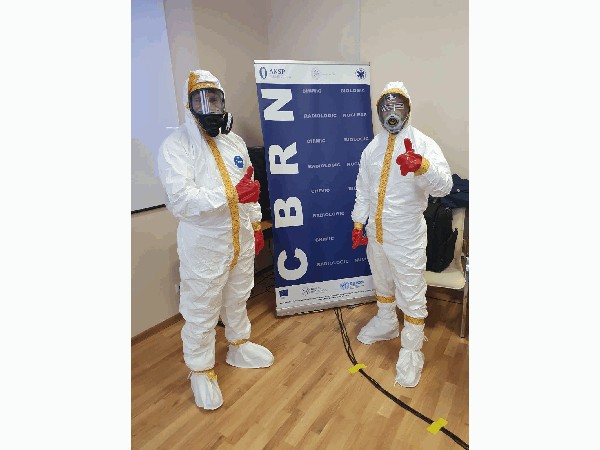
First Line CBRN Emergency Medicine Responders: This segment focused on the pre-hospital management of CBRN Emergency Medical Preparedness and Response Operations. First responders acquired vital techniques and protocols for initial assessment, triage, decontamination, and patient stabilization during CBRN incidents.
Second-Line CBRN Emergency Medicine Responders: For second-line responders, the emphasis was on hospital management of CBRN Emergency Medical Preparedness and Response Operations. This training bolstered the capabilities of healthcare professionals working in hospital settings, enabling them to handle CBRN-related medical emergencies effectively. This included patient care, decontamination procedures, and coordination with first responders.
Managers at These Same Institutions: Managers responsible for overseeing CBRN emergency preparedness and response operations were provided with training to enhance their skills in strategic planning, resource allocation, coordination, and decision-making during CBRN incidents.
Para-medical Personnel: This segment offered specialized training to para-medical personnel, including emergency medical technicians and paramedics. Participants honed their skills in providing immediate care and support to individuals affected by CBRN incidents in pre-hospital settings.
Medical Personnel: Medical professionals, including doctors, nurses, and specialists, received advanced training to deepen their understanding of CBRN emergency medicine. They gained insights into advanced techniques for diagnosis, treatment, and patient management in CBRN-related scenarios.
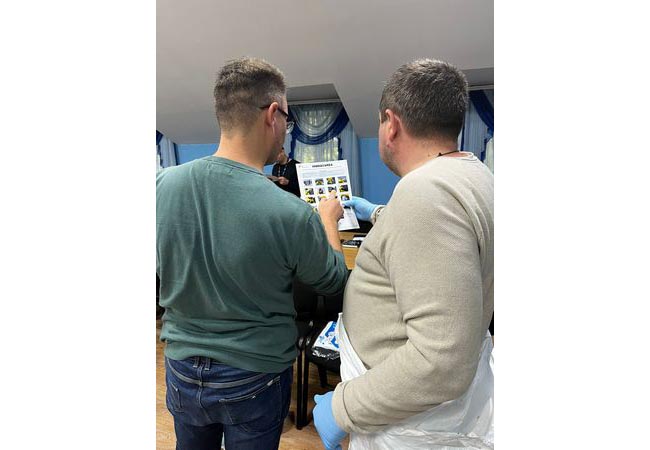
The National CBRN Emergency Medicine Training was specifically tailored to address the unique requirements of each target group. It aimed to establish a robust and well-coordinated response system in Moldova, enhancing participants' practical knowledge through hands-on exercises and real-life scenario-based simulations.
This immersive and interactive training experience facilitated knowledge exchange, networking opportunities, and collaboration among CBRN emergency medicine professionals. It equipped participants with the skills and expertise required to respond effectively to CBRN emergencies, ensuring the safety and well-being of the Moldovan population.
While the National CBRN Emergency Medicine Training has concluded, further details about registration, program highlights, and logistical information for future opportunities will be provided in the coming months. Interested individuals and organizations are encouraged to stay tuned for updates on this crucial training initiative.
 National training begins
 Training P88
 Training P88
 Training P88
 Training P88
 Training P88
 Training P88
 Training P88
 Training P88
 Training P88
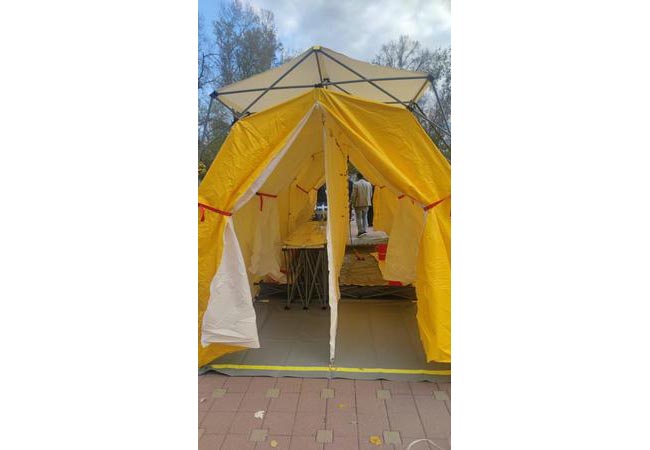 Training P88
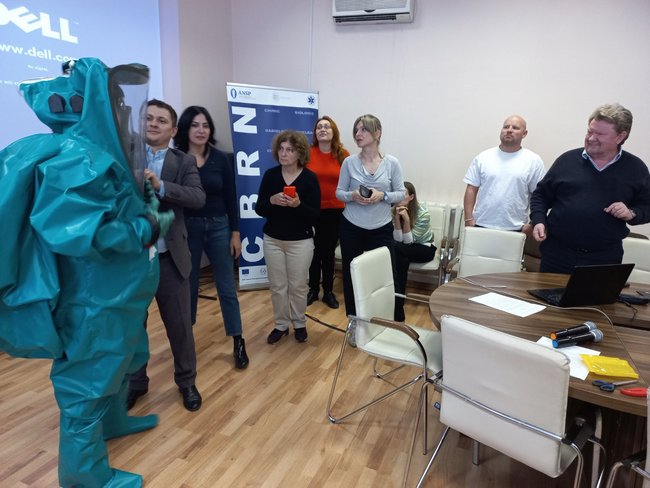 Training P88
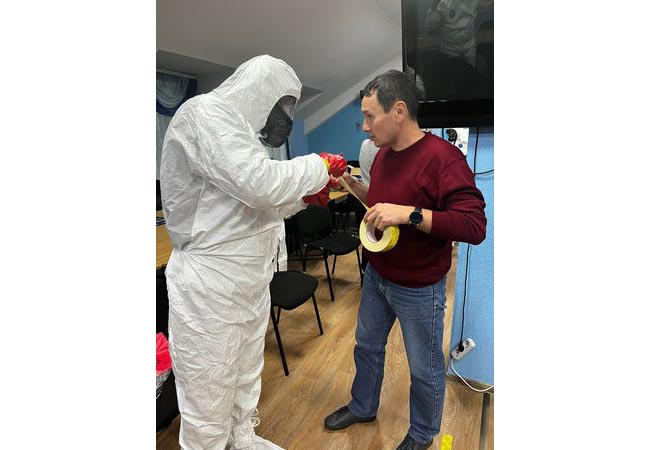 Trainig P88
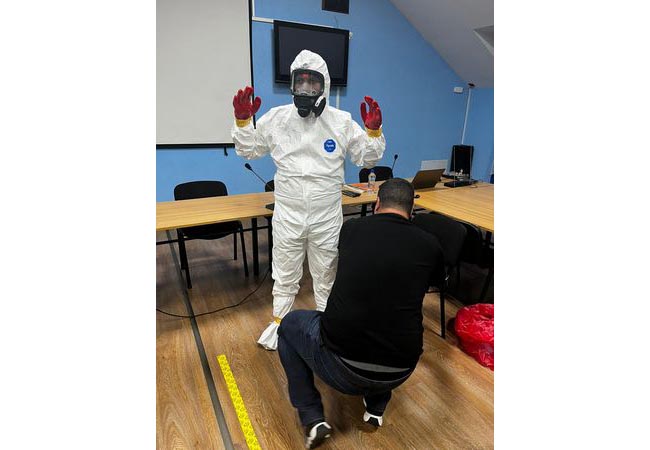 Training P88