










Training Center in Bosnia and Herzegovina
Contacts
- CBRN Emergency Management Training Centre of the Ministry of Defense of Bosnia and Herzegovina
- Galib Omerdic
- galibomerdic@gmail.com
Downloadable materials
 P88 HANDBOOK CBRNE SOPS GUIDELINES BCS
Bosnia and Herzegovina Strengthens CBRN Medical Preparedness through First National Training
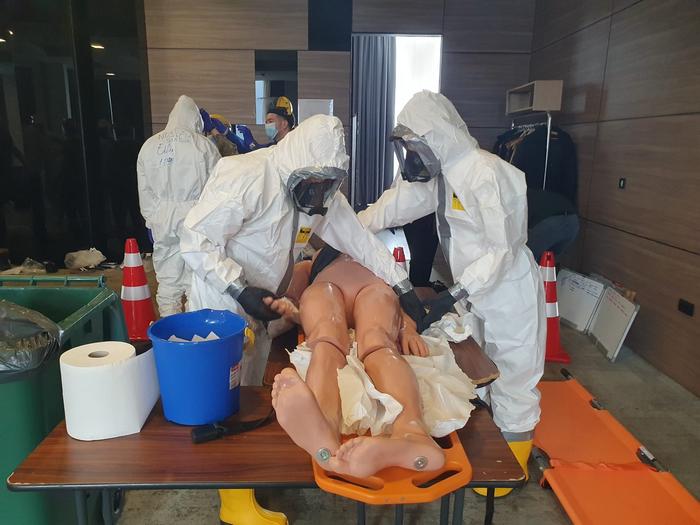
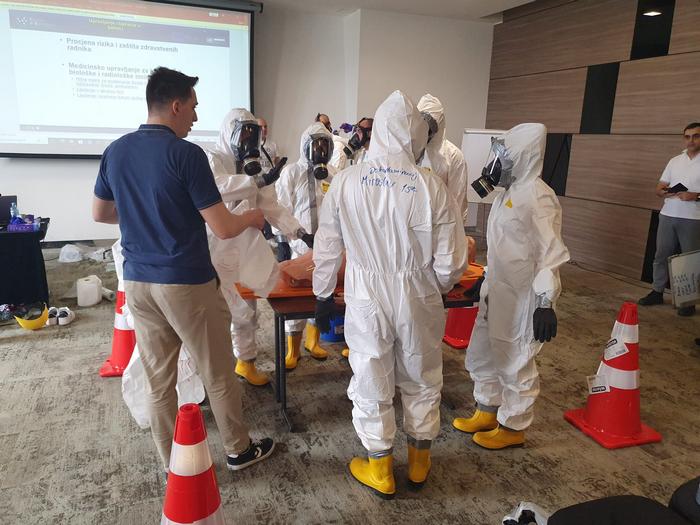
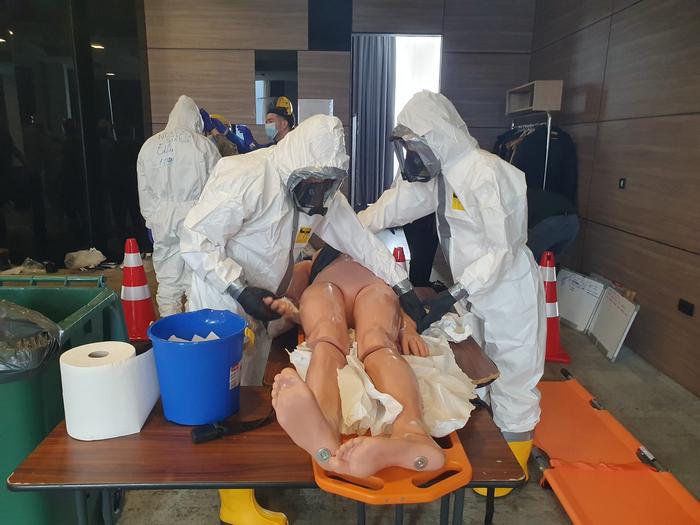
From 11 to 13 March 2026 in Sarajevo, the Science and Technology Center in Ukraine, STCU, in collaboration with the Institute for Emergency Medicine of Bosnia and Herzegovina, successfully conducted the First National CBRN Emergency Medicine Training in Bosnia and Herzegovina. The training was delivered under EU CBRN CoE Project 88, “Strengthening of CBRN Medical Preparedness and Response Capabilities in South East and Eastern European countries,” with support from the European Commission’s CBRN Risk Mitigation Centres of Excellence.
This action was implemented with the support of the European Union through the EU CBRN Risk Mitigation Centres of Excellence.
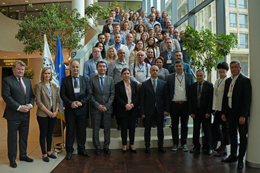
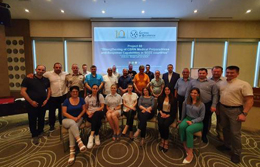
A total of 31 trainees took part, representing a broad cross-section of the national health and emergency response system. Participating institutions included University Clinical Center Tuzla, University Clinical Hospital Mostar, Cantonal Hospital Bihać, Health Center Tuzla, Health Center Mostar, Old Town, Hospital “Fra Mato Nikolić” Nova Bila, Health Center Livno, Health Center Konjic, Health Center Banja Luka, Health Center Olovo, Health Center Visoko, Public Institution Hospital Travnik, Health Center Foča, Medical Center Brčko, Health Center Kakanj, Cantonal Hospital Zenica, University Clinical Center Banja Luka, University Clinical Center Sarajevo, the Institute for Emergency Medical Aid of Sarajevo Canton, and Health Center Zenica.
Tailored learning across the full response chain
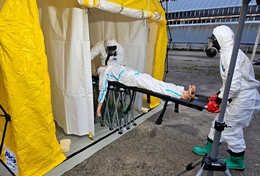
The programme was designed to strengthen CBRN emergency medical preparedness and response across operational and clinical roles. First line responders focused on pre-hospital priorities, including initial assessment, triage, decontamination, and patient stabilisation. Hospital-based responders and medical personnel strengthened their capabilities in contamination control, safe clinical management, and coordination with field teams. Managers and institutional leaders enhanced their capacity for strategic oversight, resource allocation, coordination, and decision-making during high-consequence incidents. Para-medical personnel reinforced immediate field support skills, while medical staff deepened clinical understanding of diagnosis, treatment, and patient management in CBRN-related scenarios.
Practical exercises and scenario-based application
The training combined interactive lectures, practical sessions, and scenario-based simulations designed to mirror real emergency conditions. Participants applied procedures under time pressure, practiced cross-institutional coordination, and strengthened decision-making and communication across the response chain. The course also supported knowledge exchange and professional networking, contributing to a more integrated approach to CBRN emergency medicine in Bosnia and Herzegovina.
Building national capacity through mentored delivery
The training was led jointly by the Project 88 international expert team and national Master Trainers. During this first national course, the project experts mentored the national team, supporting the development of local instructional capacity and laying the groundwork for increasingly nationally led delivery in future trainings.
 Bosnia and Herzegovina Strengthens CBRN Medical Preparedness through First National Training
 Bosnia and Herzegovina Strengthens CBRN Medical Preparedness through First National Training
 Bosnia and Herzegovina Strengthens CBRN Medical Preparedness through First National Training
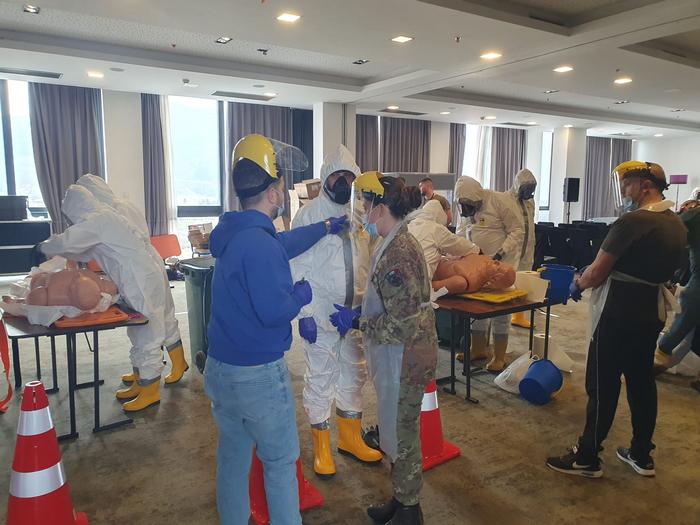 Bosnia and Herzegovina Strengthens CBRN Medical Preparedness through First National Training
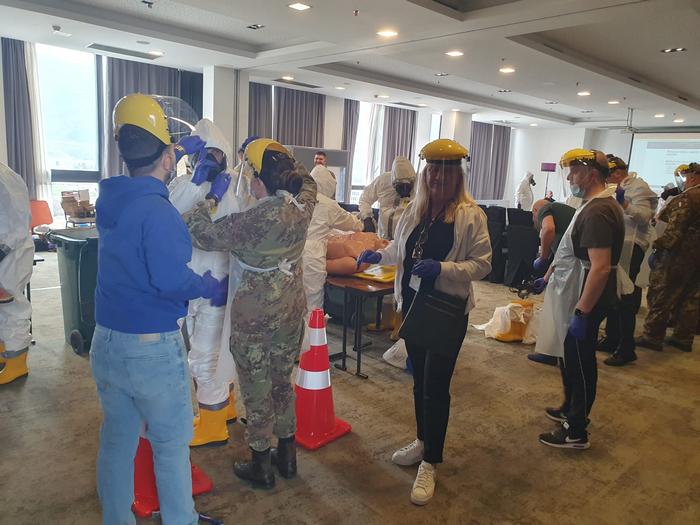 Bosnia and Herzegovina Strengthens CBRN Medical Preparedness through First National Training
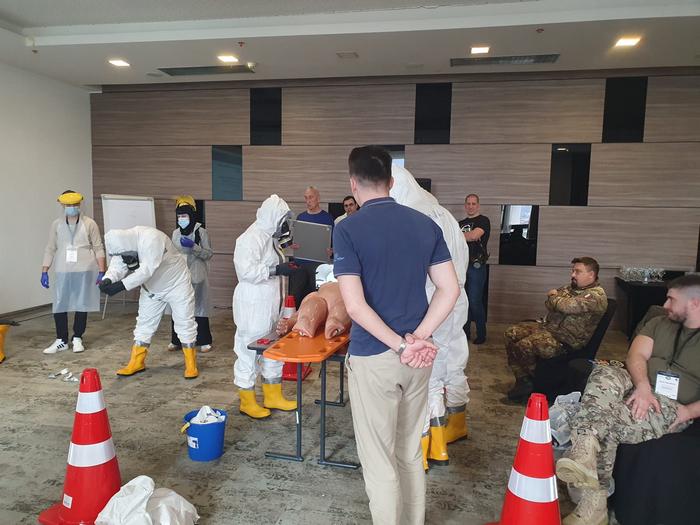 Bosnia and Herzegovina Strengthens CBRN Medical Preparedness through First National Training
Bosnia and Herzegovina Conducts First National CBRN Emergency Medicine Tabletop Exercise Under EU Project 88
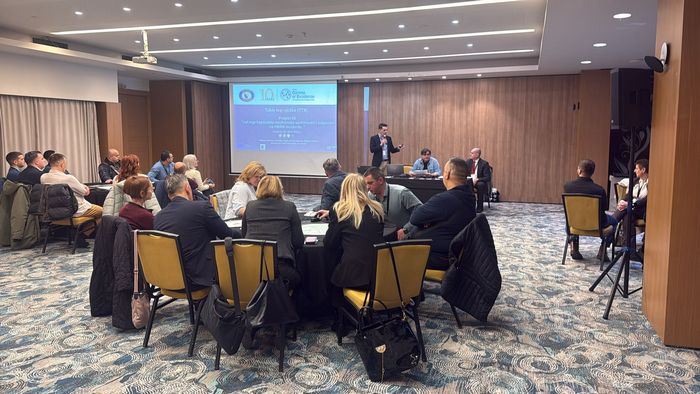
Sarajevo, Bosnia and Herzegovina, January 21–22, 2026 — Bosnia and Herzegovina has taken a decisive step in strengthening its preparedness for chemical, biological, radiological, and nuclear (CBRN) emergencies with the successful conclusion of the country’s First National CBRN Emergency Medicine Training. The event was jointly organized by the Science and Technology Center in Ukraine (STCU) and the Institute for Emergency Medicine of Bosnia and Herzegovina, and was delivered as part of the EU CBRN CoE Project 88 "Strengthening of CBRN Medical Preparedness and Response Capabilities in South East and Eastern European countries".
Held over two days at the Hotel Hills in Sarajevo, the training marked a milestone in Bosnia and Herzegovina’s ongoing efforts to build resilience against large-scale CBRN emergencies and enhance national agencies' ability to respond swiftly and effectively to crises involving hazardous substances and mass casualties.
A Project with Regional Impact
The training forms part of the 2025 Action Plan developed under Project 88, which was agreed at the Regional Technical Working Group meeting in Tirana in 2024. This plan includes the organization of National Table-Top Exercises (NTTXs) in each partner country. Unlike earlier stages of Project 88, which relied heavily on international trainers, the NTTXs are designed and led primarily by national Master Trainers, ensuring stronger local ownership and long-term sustainability. These exercises are mentored by Dr. Nigel Lightfoot, an international expert, and supported by STCU.
For Bosnia and Herzegovina, the event was not only an exercise but also a demonstration of the country’s growing ability to independently plan and manage complex emergency training activities.
Realistic Scenario, Real Challenges
The Sarajevo NTTX placed participants in a challenging scenario. The incident, simulated through a series of staged “injects” introduced by facilitators, involved a collision between vehicles, a fire, and the discovery of suspicious packages suspected to contain hazardous pesticides.
As the scenario unfolded, responders were confronted with escalating complications: injured and symptomatic casualties, environmental contamination risks, the collapse of an emergency responder due to possible chemical exposure, and mounting pressure from the media and public.
The exercise was designed to test a wide range of national response capabilities, including:
- Command and control structures for interagency cooperation.
- Incident notification, dispatch, and safety procedures.
- The ability to conduct risk assessments and escalate appropriately.
- Coordination of medical care, casualty management, and hospital readiness.
- Public communication and media handling during emergencies.
- Identification of gaps in toxicology expertise and international support mechanisms.
Broad Participation
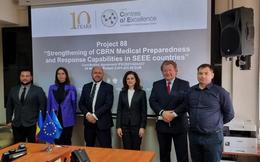
The event gathered 20 participants from across Bosnia and Herzegovina’s key emergency response institutions. Representatives included professionals from the Clinical Centre of Bosnia and Herzegovina, the Public Health Institute, the Fire Department, the Directorate for Rescue and Protection, the Institute for Emergency Medicine, and the Ministry of Interior Police Department.
By bringing together responders from different sectors, the training provided an invaluable platform for interagency coordination. Participants were able to test their respective roles and responsibilities in a controlled environment, practice joint decision-making, and highlight areas where communication or operational procedures could be improved.
Reflection and Lessons Learned
The exercise concluded with a “Hot Washup” debrief, led by the Bosnian P88 Team Leader. This immediate review allowed participants to reflect on their performance, discuss strengths, and identify operational gaps. The following day, a structured post-event feedback session and survey were conducted to capture lessons learned and integrate them into future preparedness planning.
Participants emphasized the importance of clear lines of authority, timely access to toxicology expertise, and strengthening hospital readiness for contaminated casualties. The discussions also underscored the need to improve public communication strategies to maintain trust and minimize panic during a CBRN crisis.
A Milestone for Bosnia and Herzegovina
The successful organization of this first national CBRN training under Project 88 marks an important achievement for Bosnia and Herzegovina. By taking ownership of the planning and execution, the B&H authorities have demonstrated both their commitment to preparedness and their capacity to sustain international efforts in the long term.
Representatives of STCU highlighted the broader significance of the event: "This training is not only about Bosnia and Herzegovina’s preparedness; it also reflects the sustainability of the EU’s investment in regional resilience. By empowering national trainers and institutions, we are ensuring that countries in South East and Eastern Europe can respond effectively to CBRN emergencies on their own."
Looking Ahead
As Project 88 moves forward, similar NTTXs are planned in other partner countries, each designed to test and strengthen national emergency systems while embedding lessons from past regional cooperation. For Bosnia and Herzegovina, the Sarajevo exercise stands as a landmark moment, one that has enhanced interagency collaboration, tested real-world readiness, and contributed significantly to building a safer, more resilient future.